One of the most common questions parents ask is, "Is my baby meeting their milestones?" It makes sense, especially when milestone charts and social media can make it feel like every baby should reach each skill at the same time. The reality is that children are born wired to learn and develop, and there is a wide range of normal for when new skills appear. Milestones are meant to help us monitor development, not create unnecessary worry.
As pediatricians, we look at development across several areas, including big and small movements, communication and language, and social development. We are also looking at whether your child is continuing to make steady progress over time. Milestone checklists are helpful tools, but they are not pass-or-fail tests. Even healthy children reach new skills at different ages. For babies born more than a month early, we use their adjusted age when looking at milestones until about 2 years old, giving them time to follow their own developmental timeline. Rather than comparing your child to others, it is much more helpful to focus on the progress they are making over time.
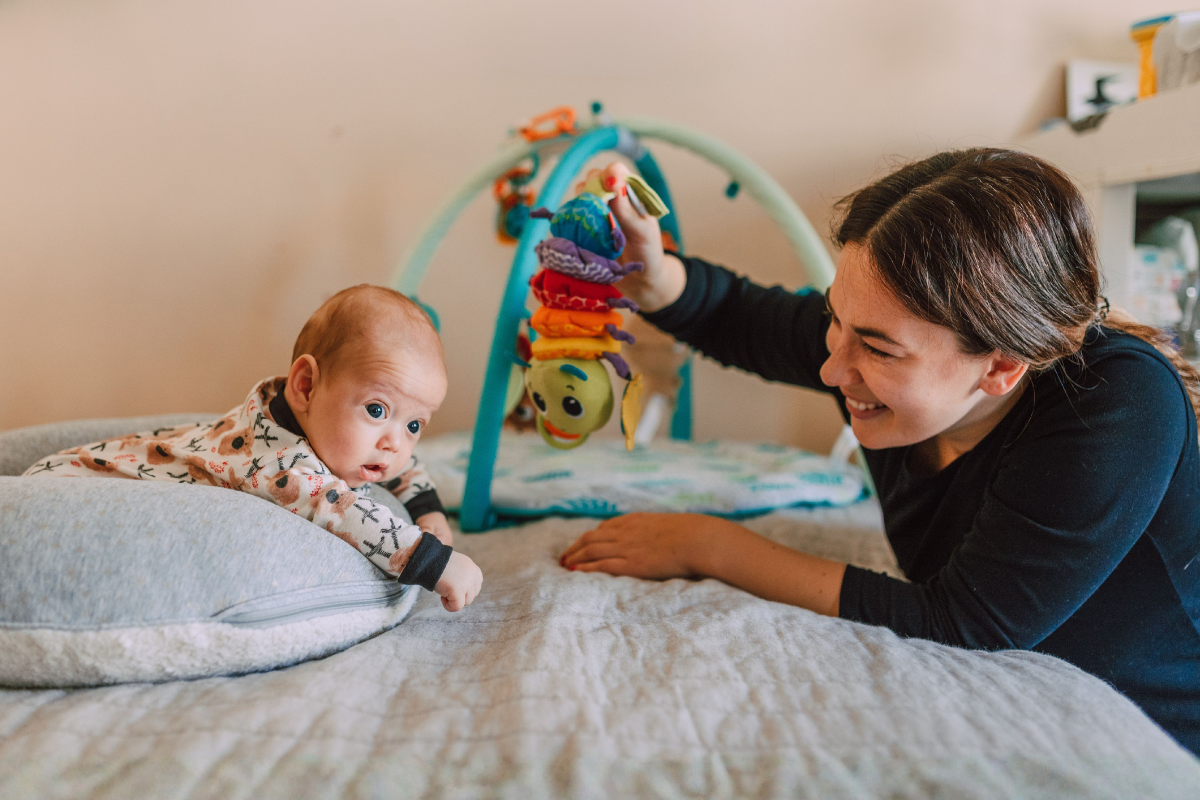
Parents play an important role in supporting development, but it is not your job to "teach" skills. Babies learn through everyday experiences like talking, reading, singing, tummy time, floor play, and opportunities to move and explore. Sometimes the best thing we can do is step back and give children the time and space to practice new skills on their own. You also do not have to memorize every milestone. One of the reasons routine well visits are so valuable is that your pediatrician is tracking your child's development over time, so you do not have to figure it out alone.
If your child loses skills they previously had, seems to stop making progress, or you simply have a concern about their development, it is always worth bringing it up with your pediatrician. Parents know their children best, and your observations are an important part of understanding your child's development. Many concerns turn out to be variations of normal development, but when a child does need extra support, identifying it early allows us to connect families with helpful resources and give children the best opportunity to thrive.
Dr. Sarah Wiersma
is the owner of PeaPod Pediatrics and a board certified pediatrician and breastfeeding medicine specialist.
Schedule a Meet & Greet to meet Dr. Wiersma and find out how direct pediatric care can support your family.