
Newborn Poop 101

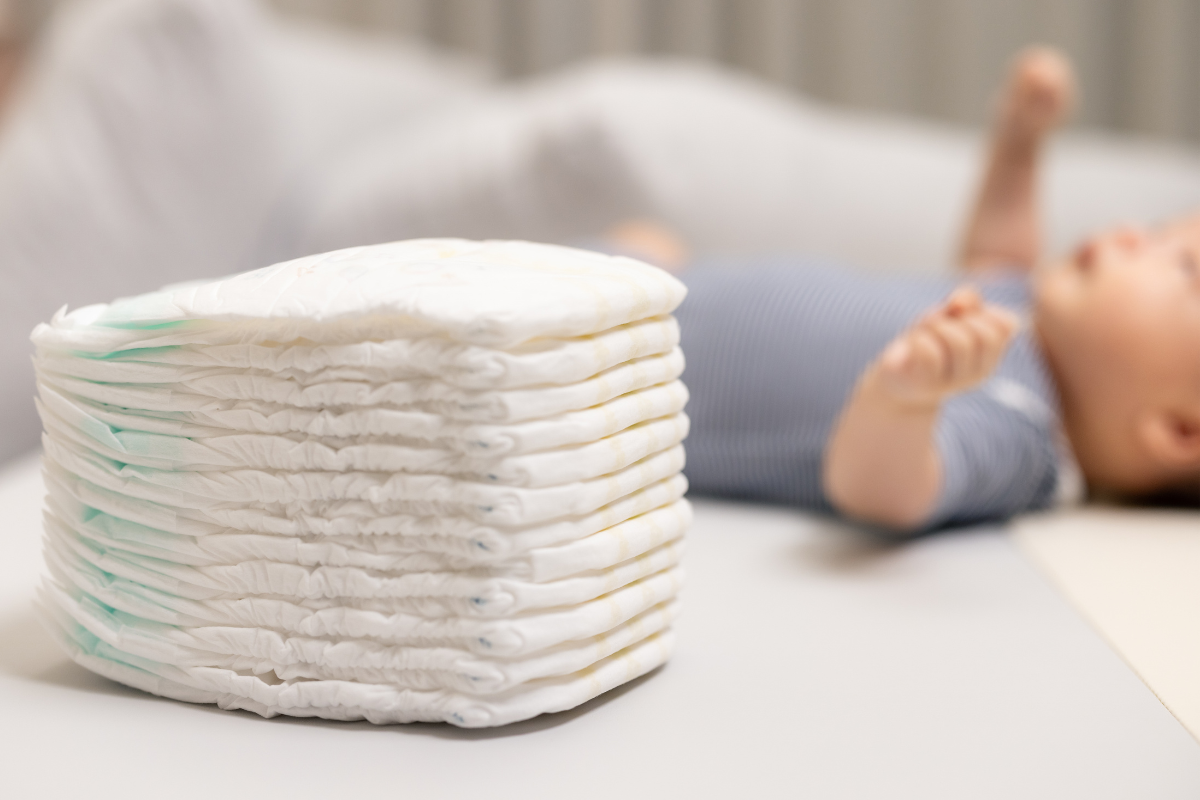
What to expect from your baby's first diapers and when changes may need a pediatrician's attention.
Few things make new parents stop and stare quite like a newborn's diaper. During those first weeks, it is completely normal to wonder, "Is this poop normal?" The answer is often yes! Baby poop can change a lot in the first days and months, and understanding what to expect can help you feel more confident as you care for your little one.
In the first few days after birth, your baby will pass meconium, a thick, sticky, dark greenish-black stool that is made up of material your baby collected before birth. As your baby begins feeding, their stool will transition in color and texture. Breastfed babies often have yellow, seedy stools, while formula-fed babies may have thicker, yellow or brown stools. Normal stool colors can range from yellow, orange, green, or shades of brown. The number of dirty diapers can vary quite a bit, especially as babies grow and their digestive systems mature.
Many parents worry about how often their baby poops, but some changes are completely normal. Babies may poop several times a day, or they may go several days between bowel movements as they get older. Some breastfed babies may even go a week or more between stools once they are older infants, as long as they are feeding well, growing normally, and their stools remain soft when they do poop.
A little straining or grunting does not always mean your baby is constipated. Newborns are still learning how to coordinate their muscles for bowel movements, so they may look like they are working hard even when their stool is soft. Constipation is more about the consistency of the stool than how often your baby goes. If the poop looks like little pebbles, is hard and dry, or does not easily squish in the diaper, it is worth discussing with your pediatrician.
While many diaper changes are nothing to worry about, there are a few times when you should check in with your pediatrician. White or very pale stools, blood in the stool, black stools after the first few days of life, or concerns about feeding, growth, or hydration should be discussed with your baby's doctor. When in doubt, a quick call to your pediatrician can provide reassurance and guidance.
Your baby's diapers can tell you a lot about how they are feeding and growing, but you don't have to figure everything out alone. The newborn stage comes with plenty of questions, and understanding what is normal can help you feel more confident as you get to know your baby.
Dr. Sarah Wiersma
is the owner of PeaPod Pediatrics and a board certified pediatrician and breastfeeding medicine specialist.
Schedule a Meet & Greet to meet Dr. Wiersma and find out how direct pediatric care can support your family.
Read More...