Potty Training Without Pressure

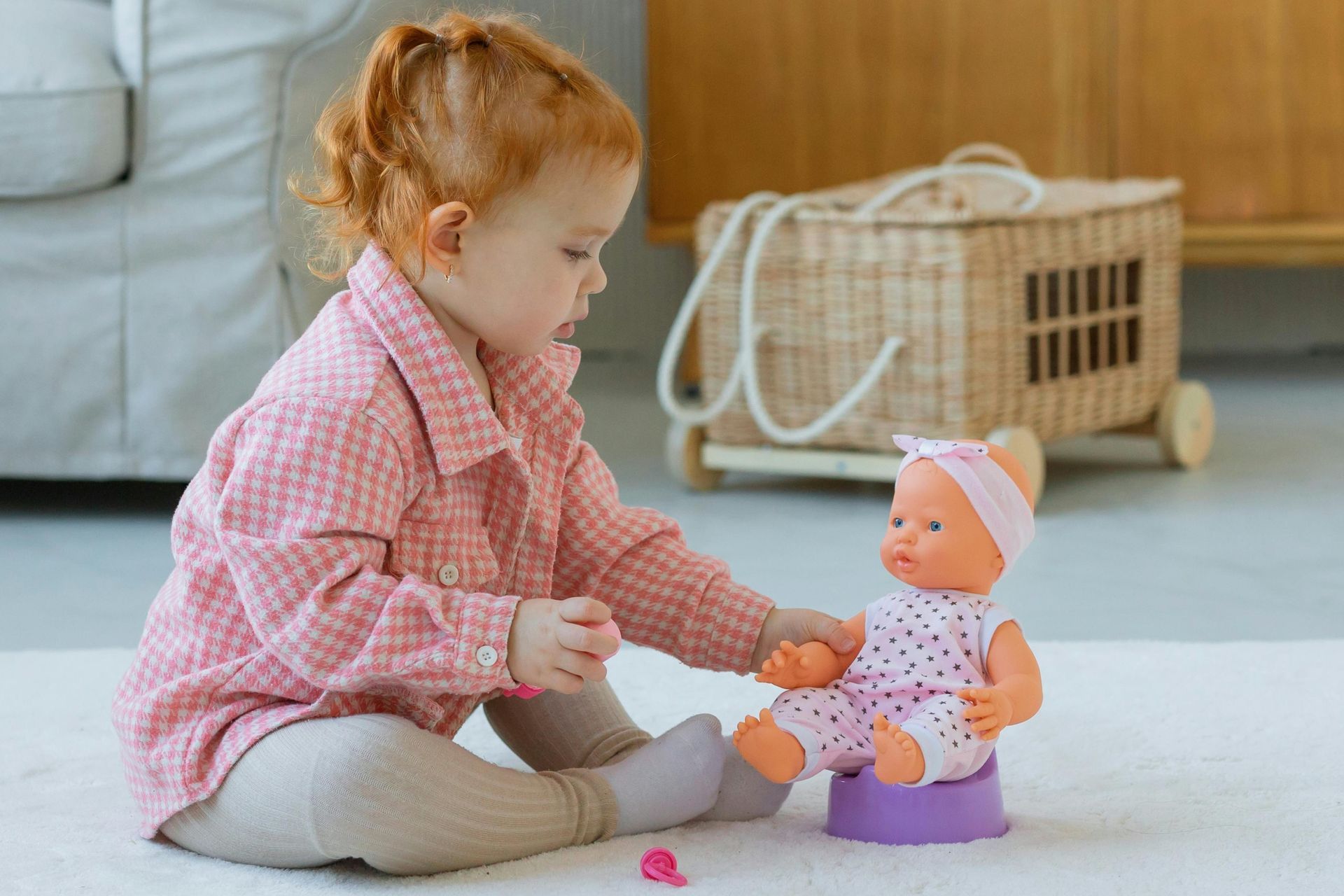
Signs your child is ready for potty training and how to make the process smoother.
Potty training is one of those milestones that can feel both exciting and overwhelming for families. It’s a big step toward independence, but it’s also a process that works best when approached with patience, flexibility, and a good sense of humor.
Most children begin potty training somewhere between 1 ½ and 3 years old, with the average age landing around 2½ years. That said, there’s a wide range of normal. Rather than focusing on a specific timeline, the most helpful approach is to follow your child’s lead.
Starting the Process
A great way to begin is simply by introducing the idea of the potty in a low-pressure way. This might look like bringing a potty chair or seat into your home and adding a few potty-themed books into your regular reading routine. The goal at this stage isn’t performance but familiarity.
If it feels comfortable for your family, you can also bring your child into the bathroom with you. Narrate what you’re doing in simple terms. This helps normalize the process and gives them a chance to observe without expectation.
As your child becomes more curious, you can invite them to sit on the potty, at first fully clothed, then without clothes as they become more comfortable. Keep the tone light and encouraging. There’s no rush.
Let Interest Lead the Way
One of the most important pieces of potty training is timing. When children feel pressured, it often leads to resistance. Some of the more rigid “quick training” methods can backfire, resulting in power struggles or even stool withholding, which can contribute to constipation.
Instead, think of potty training as a gradual learning process. If your child shows interest, lean in. If they resist, it’s okay to pause and revisit it later. Taking a break is not a setback.
Learning Body Signals
A big part of potty training is helping children recognize what their bodies are telling them. Talk with your child about the sensations that come before they need to pee or poop. Over time, they’ll begin to connect those feelings with the need to use the potty.
It’s very common for children to notice the sensation but still not make it to the potty in time. This is actually progress. Recognizing the feeling is a critical step, even if the timing isn’t quite there yet.
Common Challenges
It’s not unusual for a child who seemed potty trained to start having accidents again. If this happens, it’s reasonable to check in with your pediatrician to rule out any medical concerns. More often than not, though, these “regressions” happen because kids are busy playing and don’t want to stop. Gentle reminders can help. Some families find success using a timer or a potty watch for a short period to build the habit of regular bathroom breaks.
Another common scenario is a child who will pee on the potty but refuses to poop there. The first step is to make sure constipation isn’t playing a role. Constipation can lead to stool withholding, which becomes a cycle that makes things more difficult and sometimes painful. We want pooping to be comfortable before asking a child to change where they do it.
For children who feel more secure using a diaper, you can meet them where they are. Try having them help flush their poop from the diaper into the toilet, saying something like “bye-bye poop.” You can also encourage them to sit on the potty while wearing their diaper as they poop, gradually working toward sitting without the diaper over time.
The Big Picture
Potty training is not a race, and there’s no prize for finishing first. The goal is to create a positive, low-pressure experience that builds your child’s confidence and body awareness.
Every child’s path will look a little different, but all typically developing children will eventually learn to use the potty. Staying patient, responsive, and encouraging goes a long way in making the process smoother for everyone involved. And when in doubt, follow your child’s cues and trust that they’ll get there.
Dr. Sarah Wiersma is the owner of PeaPod Pediatrics and a board certified pediatrician and breastfeeding medicine specialist. Schedule a Meet & Greet to meet Dr. Wiersma and find out how pediatric direct primary care can support your family.
Read More...